

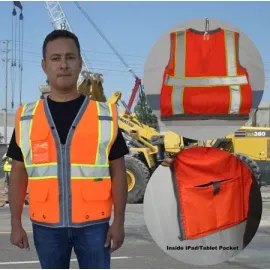
Reflective safety vests are essential for workers who operate near moving vehicles, construction equipment, warehouses, and other areas where visibility is important. Choosing the right vest involves more than selecting a bright colour or suitable size. Businesses must consider safety standards, material quality, fit, and working conditions before placing an order. A hi vis vest with company logo can also help identify staff while maintaining a consistent professional appearance, provided the customization does not compromise the garment’s visibility or compliance.
1. Check Applicable Safety Standards
The first consideration should be whether the vest meets the safety requirements applicable to the workplace. Different industries and regions may follow specific standards for high-visibility clothing.
For example, ANSI/ISEA 107 is a widely used standard for high-visibility safety apparel in the United States. Other countries may follow different requirements. Employers should consult the relevant workplace regulations and safety professionals before selecting products.
Check the manufacturer’s documentation for the applicable standard, garment classification, and intended use. Do not assume that every fluorescent vest with reflective strips qualifies as compliant safety apparel.
2. Evaluate Reflective Material and Visibility
The quality and arrangement of reflective materials directly affect how a vest performs in different lighting conditions. Fluorescent fabric can improve visibility during daylight, while retroreflective strips help return light towards its source in darker environments.
Examine the width, placement, and coverage of the reflective strips. They should be arranged according to the applicable safety requirements and should remain visible when the worker moves, bends, or carries equipment.
Consider the working environment as well. Roadside workers, warehouse staff, and construction teams may have different visibility needs depending on traffic, lighting, weather, and surrounding hazards.
3. Choose the Appropriate Vest Class
High-visibility garments are not interchangeable in every work setting. Some tasks require greater visibility because workers operate close to fast-moving traffic or in environments with multiple hazards.
The appropriate garment classification depends on factors such as the level of risk, working conditions, and applicable regulations. Employers should assess these requirements before deciding on a vest design.
A basic vest may be suitable for certain low-risk environments, while more demanding situations may require garments with greater reflective coverage. A workplace risk assessment can help determine the appropriate option.
4. Select Comfortable and Durable Materials
Workers need safety vests that remain comfortable throughout their shifts. Lightweight, breathable materials can be helpful in warm conditions, while durable fabrics may be more suitable for demanding industrial environments.
Inspect stitching, seams, fasteners, zippers, and pockets before purchasing. Weak construction can lead to premature wear, while uncomfortable designs may discourage staff from wearing the garments correctly.
For teams working outdoors, consider whether the vest is suitable for the expected weather conditions. Some workplaces may require additional protective clothing, such as high-visibility jackets, rather than a vest alone.
5. Confirm Fit and Size Availability
A vest should fit comfortably over the clothing workers normally wear without restricting movement. Tight garments may be uncomfortable, while oversized vests can snag on equipment or interfere with work.
Check the supplier’s size chart and confirm whether the measurements account for wearing the vest over uniforms, jackets, or other layers. If ordering for a large team, collecting size requirements in advance can reduce fitting issues.
Where possible, request samples so employees can assess comfort, adjustability, and ease of movement before a bulk order is finalized.
6. Review Customization Options Carefully
Company branding can help identify employees and create a coordinated appearance across a workforce. However, logos and printed designs must not reduce the garment’s visibility or interfere with reflective material.
A reflective safety vest with company logo should be customized in a way that preserves the required reflective areas and complies with relevant safety standards. Ask the supplier to explain where branding can be placed and whether the proposed design affects compliance.
Also consider print durability. Branding should withstand the expected washing and working conditions without peeling, fading excessively, or damaging the fabric.
7. Check Maintenance and Replacement Requirements
Safety vests require regular inspection and proper care. Dirt, fading, damaged seams, and deteriorating reflective strips can reduce their effectiveness.
Review the manufacturer’s washing instructions and check whether the vest can withstand the cleaning routine required at your workplace. Establish a process for inspecting garments and replacing those that no longer meet the necessary requirements.
Replacement frequency depends on the garment’s condition, usage, exposure, and manufacturer guidance. Workers should know how to report damaged or poorly fitting equipment.
8. Compare Suppliers and Total Cost
Price should not be the only factor when buying safety vests for staff. Compare product specifications, compliance documentation, material quality, customization charges, delivery timelines, and bulk-order requirements.
Ask for samples and written specifications before confirming a large order. This makes it easier to assess quality and ensure the selected garment matches workplace needs.
Conclusion
Buying reflective safety vests requires careful attention to applicable standards, visibility, fit, durability, customization, and maintenance. Employers should prioritize worker safety before appearance or price. When reviewing related workplace supplies, businesses may also consider products such as a custom dry erase clipboard for team coordination and safety briefings. BRAVA Marketing operates in the promotional products and customized merchandise sector, offering businesses merchandise options to consider alongside their workplace branding requirements.
