
Hashish Explained: History, Production, and How It Differs from Other Cannabis Concentrates
Hashish, often simply called hash, is one of the oldest and most well-known cannabis concentrates in the world. For centuries, it has been produced by collecting the resin-rich trichomes from cannabis plants and compressing them into a concentrated product. Today, hashish remains an important part of cannabis culture and is available in various forms in jurisdictions where cannabis is legally regulated.
Understanding how hashish is made, its historical significance, and how it compares with other cannabis concentrates can help consumers better understand this traditional cannabis product.
What Is Hashish?
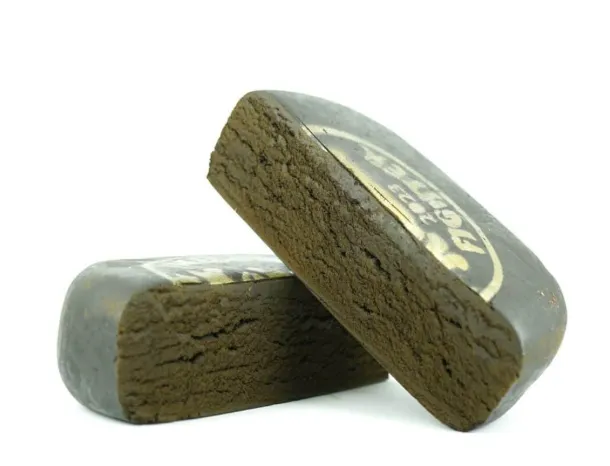
Hashish is a cannabis concentrate made primarily from the resin glands, or trichomes, found on cannabis flowers. These tiny structures contain naturally occurring cannabinoids, terpenes, and other plant compounds.
Unlike dried cannabis flower, hashish contains a much higher concentration of these compounds because much of the plant material has been removed during processing.
Depending on the production method, hashish can vary in:
- Color, from light golden brown to dark brown or black
- Texture, from dry and crumbly to soft and pliable
- Aroma, influenced by the plant’s terpene profile
- Appearance, ranging from pressed blocks to loose resin
Buy Link: https://www.kingtutscannabis.cc/product-category/hash/
A Brief History of Hashish
Hashish has been used for hundreds of years across parts of Asia, the Middle East, and North Africa. Traditional production methods developed in regions such as Morocco, Afghanistan, India, and Lebanon, where experienced producers refined techniques for separating resin from cannabis plants.
Today, modern manufacturers in legal cannabis markets use standardized processes and quality control measures to produce consistent products while complying with local regulations.
Traditional Production Methods
Historically, hashish has been produced using mechanical methods that separate resin glands from the cannabis plant.
Common traditional approaches include:
Dry Sifting
Dried cannabis flowers are gently screened through fine mesh to collect resin-rich trichomes. The collected material is then compressed into hashish.
Ice Water Separation
This method uses cold water and agitation to separate trichomes from plant material before they are filtered, collected, and dried.
Commercial producers may use additional processing and quality assurance procedures to improve consistency and ensure compliance with regulatory standards.
How Hashish Differs from Other Cannabis Concentrates
Hashish is one of several cannabis concentrates available today. Each type differs in texture, appearance, and production method.
| Concentrate | Typical Texture | Common Characteristics |
| Hash | Solid, pliable, or crumbly | Traditionally compressed resin |
| Shatter | Hard and glass-like | Brittle, translucent appearance |
| Wax | Soft and sticky | Opaque consistency |
| Budder | Smooth and creamy | Whipped texture |
| Live Resin | Sticky or sauce-like | Often retains a rich terpene profile |
Although these products all originate from cannabis resin, they are processed differently and may have distinct physical characteristics.
Why Laboratory Testing Matters
In regulated cannabis markets, laboratory testing helps verify important product information.
Testing may include:
- Cannabinoid content
- Heavy metals
- Pesticides
- Microbial contamination
- Residual solvents where applicable
Clear labeling and laboratory testing provide consumers with valuable information about product quality and composition.
Storage Recommendations
Proper storage helps preserve product quality over time.
General recommendations include:
- Store in a cool, dry place.
- Keep products away from excessive heat and direct sunlight.
- Use the original packaging when practical.
- Store securely out of reach of children and pets.
Following the manufacturer’s storage instructions helps maintain freshness and product integrity.
Frequently Asked Questions
Is hashish the same as cannabis flower?
No. Hashish is a cannabis concentrate made from resin-rich trichomes, while cannabis flower refers to the dried flowering portions of the plant.
Does all hashish look the same?
No. Its color, texture, and appearance vary depending on the cannabis cultivar and production method.
Why is laboratory testing important?
Testing helps verify cannabinoid content and screens for contaminants where required, supporting product quality and transparency.
How should hashish be stored?
Store it in a cool, dry location away from heat, moisture, and direct sunlight, following the manufacturer’s recommendations.
Final Thoughts
Hashish remains one of the oldest and most recognizable cannabis concentrates. Its long history, distinctive production methods, and unique physical characteristics set it apart from many modern concentrates. Understanding how hashish is produced, how it differs from other concentrate types, and why laboratory testing and proper storage matter can help consumers make informed decisions in legal, regulated cannabis markets.
Buy Link: https://www.kingtutscannabis.cc/product-category/hash/
